
What Should I Do Before Hair Transplant Procedure?
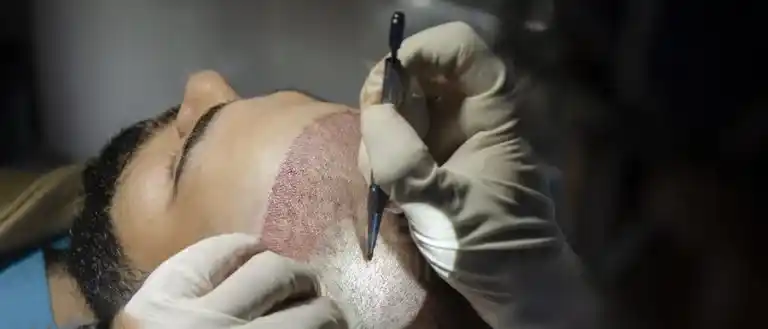
Before your procedure, if you are someone who is thinking about undergoing hair restoration, it is very usual to linger on thoughts such as what should I do before hair transplant surgery and what are the essential precautions before a hair transplant. It is entirely normal to feel nervous or anxious if you have never experienced a clinical procedure like this before. Therefore, the role of detailed consultation and accurate medical information is absolutely essential for the psychological readiness of all our patients.
Our before procedure guide will comprehensively prepare you for your upcoming treatment. In this way, you will be fully informed about all the medical processes you will be going through. Knowing the exact things to know before hair transplant makes you feel relaxed and leads patients to experience a smooth, painless, and highly successful surgical operation.
Whether you are traveling from Lahore, Karachi, Multan, or Rawalpindi, the preparation protocol remains strictly the same. The preparation steps are straightforward. If you pay careful attention to these medical guidelines, there is absolutely nothing to be worried about regarding your forthcoming procedure.
Before Hair Transplant Procedure Checklist
Choose a Professional Clinic
Finding a good and certified clinic for your surgery is the first important thing you should pay attention to when looking for a safe hair transplant near me. Therefore, you must research the best medical facilities to guarantee you receive the safest treatment and the best possible aesthetic outcome. Hair Skill Clinic stands as a premium choice across Pakistan.
Evaluate Social Media and Patient Reviews
It is always better to find a clinical social media account that genuinely demonstrates real patients, their raw experiences, and detailed websites to gather necessary information about the facility. It is highly helpful to look at real patient results and read the authentic comments below the pictures.
You can visit the Hair Skill website or our official Instagram account to learn about our advanced medical techniques and our certified doctors. You can also read our informative blogs and see the incredible transformation photos of our previous patients.
Search About the Doctors of the Clinic
Researching the leading doctor and going over their professional CVs will assist you in making up your decision regarding the clinic where you are going to have your medical procedure.
Always remember that a trustworthy and internationally certified clinic will considerably assist you in having professional treatment, clear instructions, effective communication with skilled physicians, and the absolute best possible outcome at the end of your healing journey.
Should I Cut My Hair Before the Procedure?
Patients frequently ask if they can shave their head before a hair transplant or if they need a haircut. Shaving your hair yourself may not be a good idea depending on the specific medical technique planned for your scalp. So please do not cut or shave your hair before visiting the clinic. There is no strict requirement regarding hair size, as the surgery can be performed successfully regardless of your current hair length. We generally prefer to keep your hair long for the initial planning phase before the surgery. This allows our surgeons to clearly see your natural hair growth angles and accurately mark the areas that need surgical correction. After the planning phase is completed, our medical staff will have your hair safely cut at the clinic if it is deemed necessary for the extraction process.
Should I Have Breakfast Before the Procedure?
Definitely yes! You can and should have a healthy breakfast before arriving at the clinic, but please avoid any greasy, heavy, or overly spicy meals. A light and nutritious breakfast will be perfect for you. Please remember to strictly avoid consuming both tea and coffee on the morning of your surgery, as caffeine can elevate your blood pressure and heart rate.
Remember to inform our clinical staff about your specific food preferences for lunch, such as vegetarian options, so we can prepare your ideal meal type during the break.
Inform Your Doctor About Your Health and Medications
You must inform your doctor about all the medicines you are currently taking and your general health condition. We must know these critical medical details because they may directly affect your surgery and recovery phase. Therefore, you must proactively inform your doctor if you suffer from environmental allergies, bleeding disorders, asthma, high blood pressure, breathing problems, diabetes, scalp psoriasis, or any other chronic diseases.
Inform Your Doctor About the Allergies You Have
If you have known allergies to any medications, please inform your doctor about them immediately during the consultation. This information has vital importance because you will need to take some prescribed medicines after your operation to prevent infection and manage discomfort. Your doctor will prescribe different and safer pills if you have an allergy to any standard medication.
Inform Your Doctor About Previous Surgeries
Information about your previous surgical history is another crucial aspect of your medical preparation process. It gives your doctor a clear idea about the healing capacity of your skin, your natural scar formation level, and how your body reacted to local anesthesia in general during past treatments.
Medicines You Should Stop Taking One Week Before
There are specific things to do before a hair transplant regarding your daily medication. To prevent increased bleeding during the surgical extraction and implantation process, you must avoid the following:
- Aspirin
- Anti inflammatory medications
- B or E vitamins
- Blood Thinners
- Ibuprofen
- Herbal medication
Please inform your surgeon before scheduling the surgery if you use any other medications not mentioned in the list above.
If you are using finasteride or Propecia, you do not need to stop taking them. However, applying minoxidil before a hair transplant should be strictly avoided for at least one full week before the surgery and can be resumed safely two weeks later. Also, before taking any newly prescribed medications before your operation, always consult your primary doctor.
No, You Cannot Drink Alcohol
Since alcohol may severely interfere with the local anesthetic medications used during the surgery and significantly increase both bleeding and bruising, please stop consuming alcohol 5 to 7 days before the surgery. You must also avoid it completely for 10 to 14 days after the surgery to ensure your newly transplanted grafts receive proper blood flow.
No, You Cannot Smoke
Since cigarettes include high levels of nicotine, which directly constricts blood vessels and reduces vital blood flow to the scalp, nicotine consumption negatively impacts your operation process and your entire healing phase. It is much more difficult for the human body to recover after surgical incisions if you smoke because nicotine actively prevents oxygen from getting through your bloodstream to the newly implanted follicles. Therefore, smoking and vaping must be strictly avoided.
Avoid Hair Care Oils and Styling Gels
Hair care oils and similar cosmetic products such as styling gels, strong waxes, and chemical creams should not be used before the procedure. You can safely apply gentle hair oil or styling gel only after 2 full months of your hair transplant treatment have passed.
It is also highly recommended not to wear a tight hat or cap before your operation to prevent any microbial growth due to trapped warmth or sweat, keeping your donor and recipient areas perfectly clean.
If you are currently dealing with severe scalp dandruff, it is advisable to consult your doctor beforehand. Your doctor can advise you on the appropriate medical shampoo to use before the surgery date.
Wear Comfortable Clothes
Before your surgery begins, make sure to wear highly comfortable and loose clothing. Shirts or sweaters with front zippers or buttons are strongly advised because your healing scalp and new grafts must not be damaged or rubbed against tight fabrics after the treatment is finished. Pay close attention to putting something on that you will be completely comfortable wearing for several hours!