
Female Hair Transplant
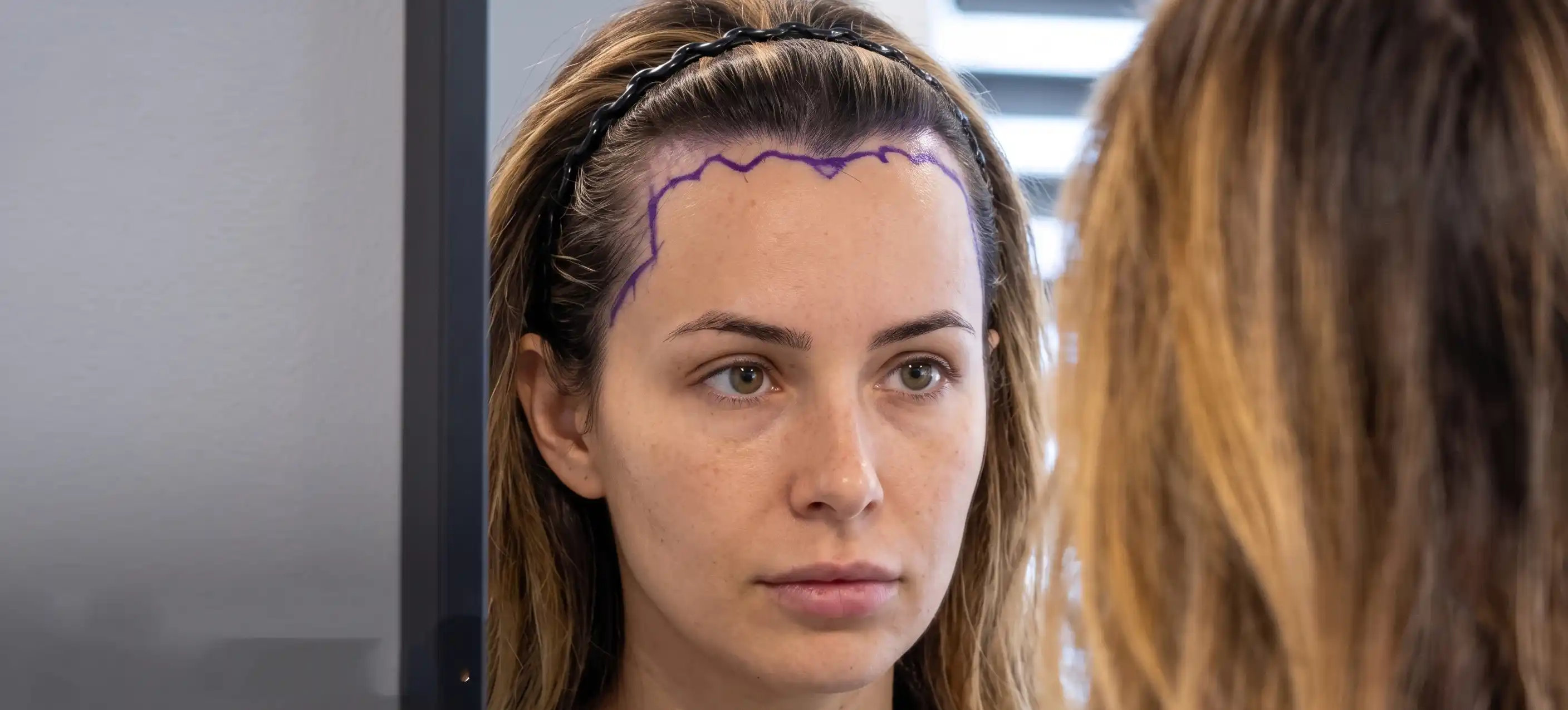
Losing hair as a woman feels different. It is not just about coverage. It is about how you see yourself in photos, how confidently you style your hair, and how much you avoid mirrors on difficult days. That is why a female hair transplant journey in Pakistan needs a different approach than a standard male transplant.
At Hair Skill Clinic, a female hair transplant in Pakistan is always based on diagnosis first and surgery second. Many women arrive believing a transplant is the only option or searching for a female hair transplant near me hoping for a quick fix. Sometimes it is. Sometimes medical treatment or a mix of both is the smarter path. Our job is to help you figure that out calmly step by step.
In simple terms, a female hair transplant means taking permanent follicles from the stronger donor area at the back of the scalp and moving them to thinning zones such as the part line, temples, or frontal hairline. The goal is not just hair. The goal is a softer fuller frame that still looks like you.
A female fue hair transplant or DHI procedure is carefully chosen where grafts from the permanent donor area are implanted into thinning areas like the part line, temples, or crown. It is highly suitable when hair transplant for female pattern baldness is needed and there is enough donor density in the back of the scalp.
Hair Skill treats every female hair loss transplant case as a partnership. You bring your story, concerns, and goals. We bring honest assessment, careful design, and the best female hair transplant surgeon techniques adapted to female patterns instead of forcing you into a male style plan.
Is Female Hair Transplant in Pakistan Right for You?
A female hair transplant in Pakistan procedure works best for women with defined thinning areas that have stable, predictable patterns. If your part line keeps widening, or the temples look lighter, or there is a small but noticeable drop in density at the front, a transplant can rebuild those zones with natural harmony. The goal is subtle fullness. Not a dramatic makeover. Just a softer frame that lifts your entire look with excellent female hair transplant results.
Ideal candidates
Women who usually benefit include:
those seeking hair transplant for female pattern baldness following Ludwig I or II
women with stable androgenetic alopecia
patients with traction alopecia from hairstyles pulling over time
women with thinning around temples or frontal points
those seeking hairline lowering or refinement
patients with localized thinning, not full scalp loss
You are also a good candidate when medical issues are stable: thyroid levels corrected, iron or ferritin brought to healthy levels, PCOS under control, and active shedding slowed or stopped.
Who is not suitable
Some conditions do not respond well to surgery, including:
diffuse unpatterned alopecia
active autoimmune alopecia
uncontrolled hormonal disorders
severe donor area weakness
active telogen effluvium or postpartum shedding
Hair Skill will tell you honestly if surgery is not right now. You will not be pushed toward a female hair transplant you do not need or cannot benefit from.
Our lead surgical specialists often remind patients. When the loss is stable and the donor is healthy, the female hair transplant results look incredibly natural. But identifying that stability must come first.
Why Choose Female Hair Transplant in Pakistan at Hair Skill Clinic
Pakistan has become one of the most trusted destinations for women seeking natural, subtle hair restoration. The country combines experienced surgeons, modern techniques, patient friendly pricing, and a warm, organized treatment experience. For many women, a female hair transplant in Pakistan journey offers the right balance of quality, comfort, and safety.
Why Pakistan Is a Top Choice for Women
Women from around the world travel to us each year for female hair restoration. Whether you want a female hair transplant in Lahore, a female hair transplant in Karachi, or are exploring our expanding reach for a female hair transplant in Islamabad, Rawalpindi, and Multan, the reasons are simple:
the best female hair transplant surgeon teams with high experience treating female patterns
clinics that understand unshaven and partial shave needs
refined techniques suited for delicate density work
affordable female hair transplant cost compared to the UK, USA, and Europe
streamlined care packages that reduce stress during planning
Most importantly, clinics here treat female hair loss as its own specialty, not an extension of male transplant protocols.
Why Hair Skill Clinic Stands Out
Hair Skill has become a preferred clinic for women because the approach is gentle, personalized, and honest. You are evaluated thoroughly before surgery is recommended, and your design is built around your unique features. At Hair Skill you receive:
surgeon led planning from start to finish
natural looking hairline and part line design
partial shave or unshaven methods for discretion
female fue hair transplant or DHI chosen based on your goals
careful donor management to protect long term density
a calm environment focused on comfort and education
A Clinic That Listens
Many women say what matters most is simply being heard. Hair Skills doctors spend real time understanding how thinning affects your confidence, styling habits, and daily comfort. There is no rush. No pressure. Just clear guidance shaped around what works best for you.
Our attending doctors often share. A woman's hairline and density story is personal. We tailor everything to protect softness, balance, and identity.
About Female Hair Loss Patterns and Proper Diagnosis
Hair loss in women almost always needs a closer look before deciding on surgery. A female hair loss transplant plan only makes sense when the cause of thinning is truly permanent. Many women experience shedding from hormones, stress, childbirth, thyroid shifts, nutrition gaps, or tight hairstyles. Those situations often improve with treatment rather than surgery. That is why diagnosis comes first at Hair Skill.
Common patterns in women
Female thinning looks different from male recession. It usually appears as:
widening part line through the center
general thinning on the top third of the scalp
reduced volume at the crown
weaker temple points
high or uneven hairline
traction alopecia from long term styling tension
Clinics use the Ludwig scale to describe severity from I to III, but real assessment depends on trichoscopy and donor analysis to predict the female hair transplant success rate.
Causes worth investigating
Female hair loss has many possible triggers. Understanding them changes the plan. Key contributors include:
androgenetic alopecia
PCOS or hormonal imbalance
thyroid dysfunction
low iron or ferritin below optimal levels
stress related shedding
postpartum period
nutritional issues
medication effects
Blood tests and scalp evaluation help separate temporary shedding from long term loss. This protects women from undergoing a female hair transplant too early, or when medical treatment would be more helpful.
Why this step matters
When thinning is active, transplant results weaken over time. When the cause is temporary, surgery offers little benefit. When the pattern is stable though, a female hair transplant in Pakistan can deliver truly elegant improvement.
Our clinical leadership puts it simply. Female hair loss is rarely one reason. Once we clarify the story behind the thinning, we design a solution that actually fits.
Techniques and Methods for Female Hair Transplant
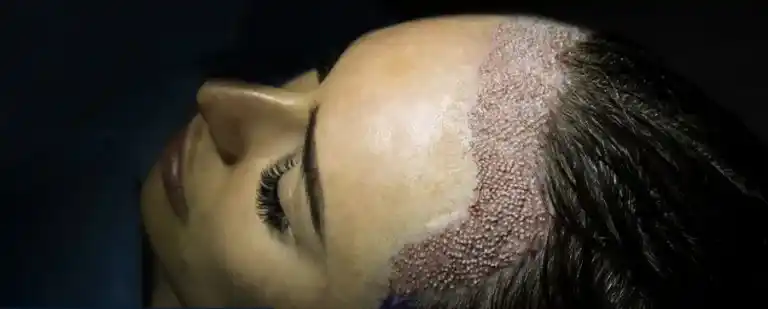
Once diagnosis confirms stability, the next step is choosing the right method. A female hair transplant in Pakistan procedure is not a copy of a male surgery. Women often prefer to keep their existing hairstyle, avoid a full shave, and focus on restoring density rather than creating a dramatic new pattern. Hair Skill adapts the technique to those needs.
FUE for Women
A female fue hair transplant is a highly common approach. Individual follicles are extracted from the donor area at the back of the scalp usually through a partial shave hidden underneath long hair. This gives surgeons access while keeping the rest of the hairstyle intact.
FUE works well for:
part line strengthening
temple point reconstruction
small to medium thinning zones
balanced density improvement
DHI for Women
DHI hair transplant for women uses the Choi pen to implant grafts without creating channels. This allows implantation at high density and with precise angulation. Women often prefer this method for its accuracy in delicate zones, especially when treating narrow part lines or a fine feminine hairline.
Unshaven or Partial Shave Options
Many women ask for unshaven hair transplant women procedures. Hair Skill uses partial shave techniques where only a small section of the donor area is trimmed hidden beneath longer hair. The recipient area is not shaved, making the process discreet.
Hairline and Temple Design
Female hairlines differ from male hairlines. They are softer, lower, and have gentle curvature. Temple points must be refined, not squared. Hair Skill focuses on rounded feminine transitions, avoiding male style angles and reinforcing natural flow instead of forcing symmetry for the highest female hair transplant success rate.
Our design specialists mention. Women want density without disturbance. Every angle, every graft, every section must be gentle and intentional.
Candidacy and Limitations for Female Hair Transplant
A strong female hair transplant in Pakistan plan begins with understanding who will truly benefit. Women often assume any thinning can be corrected surgically, but female hair loss is more complex. Some patterns respond beautifully to transplant. Others require medical stabilization first. At Hair Skill, the goal is to guide you honestly so your expectations match what surgery can deliver.
Who is a good candidate?
Women who benefit most share common traits:
thinning that follows female pattern hair loss
stable progression for at least 6 to 12 months
strong donor density at the back of the scalp
widening part line or thinning around temples
early to moderate loss on the Ludwig I or II scale
clear areas that need refinement rather than full coverage
healthy hormonal thyroid and iron levels
You may also be a good candidate if you seek hairline lowering for aesthetic balance, temple restoration to regain facial framing, or density improvement after years of traction hairstyles.
Who is not suitable?
A transplant cannot fix every situation. Surgery is not recommended for:
diffuse unpatterned alopecia
active autoimmune alopecia
uncontrolled PCOS or thyroid disorders
persistent telogen effluvium
postpartum shedding still ongoing
extremely weak donor areas
severe scarring alopecia without stability
These cases require medical treatment first. Sometimes surgery can help later, but only once stability is achieved.
Clear expectations matter
A female transplant increases density, but it cannot rebuild the thickness of teenage hair. When done well, it creates a natural fuller frame that lifts confidence without looking artificial.
Our attending physicians often say. Women need honesty, not pressure. When the donor is strong and loss is stable, the improvement feels life changing. When it is not the right time, we say so clearly.
Female Hair Transplant Cost Ranges in Pakistan
For many women, affordability is one of the biggest reasons to consider a female hair transplant in Pakistan journey. Pakistan offers advanced surgical quality inside accessible local package tiers. But price alone is not the value. What matters is surgeon involvement, design quality, and how naturally the result blends with your feminine hairline.
Typical Cost Brackets in PKR
Across trusted healthcare comparisons, the investment brackets in PKR comfortably cover most female fue hair transplant or DHI cases with specialized options for complex part line designs. Hair Skill Clinic typically offers accessible package brackets in local PKR tiers depending on graft count needed, the method chosen, and whether partial shave or unshaven methods are used. These local rates remain far below international premium calculations, making the female hair transplant cost highly competitive and structural restorations deeply value driven.
Comprehensive Care Packages
Most international patients choose a comprehensive clinical package that includes the best female hair transplant surgeon consultation and personalized design procedure with partial shave techniques for discreet surgery, aftercare kit, and native concierge assistance during your clinical visits. No surprises. No confusion. Just a clear path forward.
Our financial counselors share. Cost matters, but design decides everything. A smaller, well crafted procedure often beats a larger one done without intention.
Procedure, Recovery, and What to Expect Step by Step
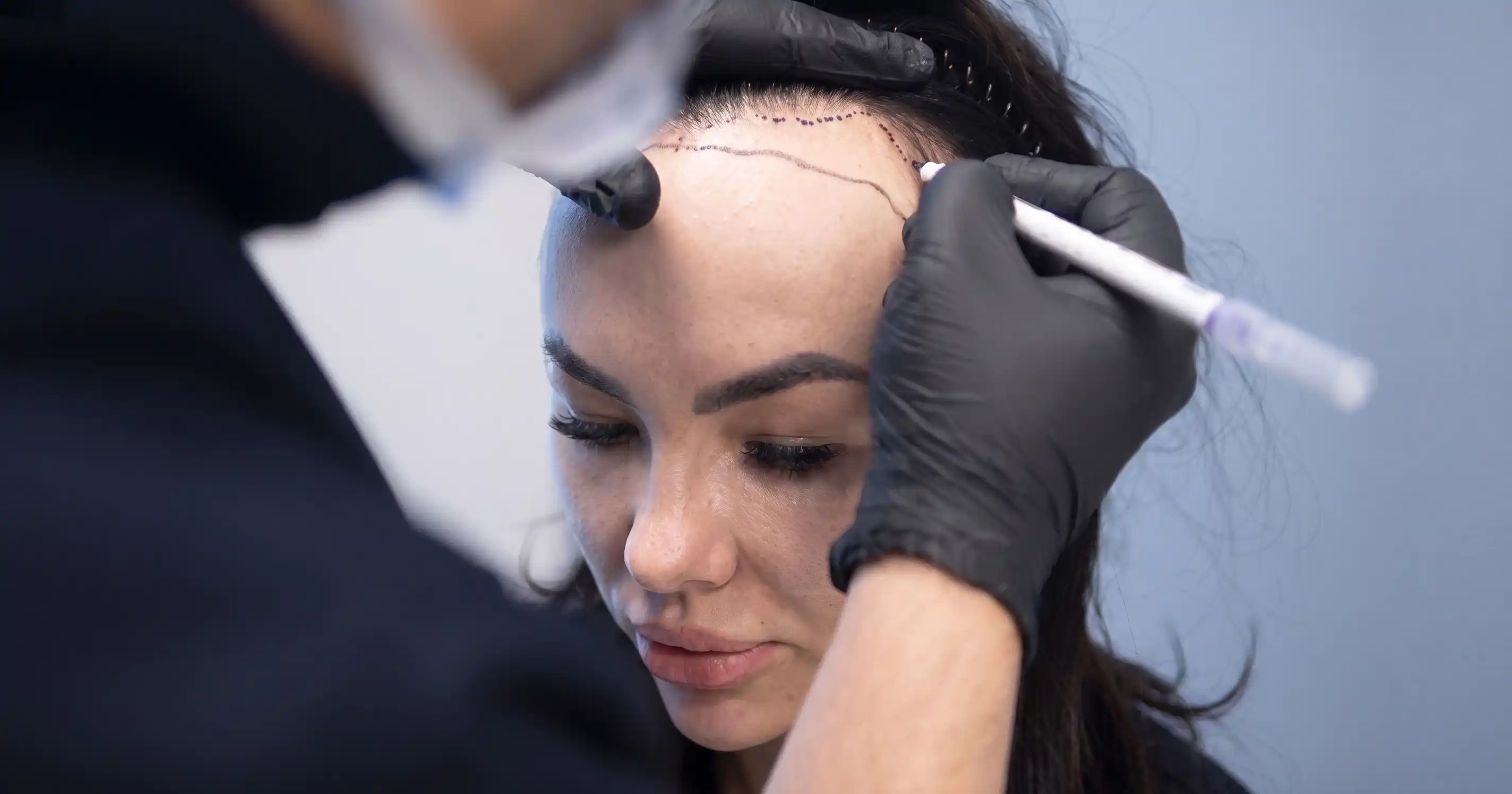
A female hair transplant in Pakistan procedure at Hair Skill is designed to feel calm, predictable, and respectful of your existing hairstyle. Women often worry about shaving downtime or whether the result will look obvious. A clear step by step structure removes that anxiety and helps you envision exactly how the female hair transplant recovery unfolds.
Step 1: Consultation and Diagnosis
Your visit begins with a detailed medical review and donor evaluation. Trichoscopy checks miniaturization levels. We confirm stability and rule out temporary shedding. Then we design your hairline, part line, or temple points with gentle curvature that matches a feminine aesthetic.
Step 2: Donor Planning and Partial Shave
For most women, only a thin strip in the donor area is trimmed. Longer hair above and below hides it. The rest of your hair remains unshaven, keeping your appearance unchanged after surgery. This discreet approach is why unshaven hair transplant women procedures are so popular.
Step 3: FUE or DHI Extraction and Implantation
The surgeon selects either a female fue hair transplant or DHI method depending on your goals. FUE allows efficient extraction for medium areas. DHI offers high precision for narrow zones like the part line. Grafts are placed with exact angulation so they blend with your natural direction and density.
Step 4: Female Hair Transplant Recovery Timeline
Healing is smoother for women than many expect. What to anticipate. Day 1 to 3 mild swelling or tightness. Day 4 to 7 scabs begin softening. Day 5 to 7 many women return to work. Week 3 to 6 shedding phase. Month 3 to 4 early growth. Month 6 to 9 visible thickening. Month 12 to 14 full female hair transplant results.
Step 5: Aftercare and Styling
Women receive specific guidance for washing, gentle styling, and avoiding tension hairstyles during the early healing window.
Our clinical specialists explain. For women, implantation must respect softness. The female hair transplant recovery is steady, and the transformation feels gradual but deeply rewarding.
Adjunct Treatments and Medical Support for Women
A successful female hair transplant in Pakistan journey is rarely just surgery. Women often benefit from a combined approach that strengthens existing follicles, stabilizes shedding, and supports long term density. Hair Skill places equal weight on medical evaluation and ongoing treatment because female hair physiology responds strongly to hormones, nutrition, and systemic changes.
Why medical treatment matters
A transplant fills thinning areas, but it does not stop progressive loss around them. Supporting native hair is essential for predictable, long lasting results. Many women see faster recovery, better density, and more consistent texture when medical therapy is included in the plan.
Main treatments that help women
Hair Skill personalizes every recommendation, but common options include:
Minoxidil topical or foam to support follicle activity
Oral anti androgens such as spironolactone for women with hormonal sensitivity
PRP therapy for early stage thinning or slow miniaturization
Mesotherapy to improve scalp health and fine density
supplements for iron and ferritin when levels fall below optimal
thyroid and hormonal balancing when indicated
These treatments are never pushed. They are offered when they genuinely fit your hair biology.
The role of proper testing
Before agreeing to a female hair loss transplant, Hair Skill checks for:
thyroid abnormalities
low ferritin or iron deficiency
PCOS indicators
autoimmune markers when needed
Androgen sensitivity patterns
Correcting these issues often reduces shedding and improves long term outcomes. For some women, stabilizing medically for a few months before surgery creates a cleaner, more predictable result.
When surgery and medical care work together
Women with early to moderate loss often experience the best improvement when a transplant addresses structural gaps and medical therapy protects remaining hair. This combination reduces the risk of needing larger procedures later.
Our restorative specialists state. When the internal environment supports the follicles, every graft we place behaves better. Combined care is not optional. It is smart.
Emotional Impact, Confidence, and Quality of Life
Female hair loss rarely feels like just a cosmetic issue. It affects daily emotions, social comfort, and the small moments most people take for granted. When the part line widens or photos start to feel uncomfortable, confidence shifts quietly but deeply. A female hair transplant in Pakistan journey is often about far more than adding density. It is about reclaiming easy identity and self expression.
How thinning affects women differently
Women describe their experience in personal ways:
hiding thinning areas with strategic hairstyles
avoiding bright lighting or overhead photos
spending extra time styling to create volume
feeling older than their age
worrying about what others might notice
These feelings are valid. They are common. They are fixable.
Restoring confidence through design
A female hair transplant focuses on restoring harmony, not changing appearance. Small thoughtful improvements often create the biggest emotional shift:
a fuller part line that does not expose scalp
softer temples that frame the face
a smoother hairline that feels youthful
renewed volume at the top
These subtle changes make styling easier and reduce the mental load of covering up.
Life after a female transplant & The Hair Skill approach
Most women say the same thing after their results appear. I finally look like myself again. That quiet relief shapes relationships routines and how confidently you show up in daily life. Surgeons listen first. They ask how thinning affects your image. They design based on how you wear your hair, your lifestyle, and how natural you want the improvement to feel. No pressure. No exaggerated promises. Just thoughtful care.
Our medical directors reflect. When women feel seen and heard, the medical part becomes easier. We design for confidence, not just density.
Eyebrows, Hairline Lowering, and Related Female Procedures
Female hair restoration is not limited to treating scalp thinning. Many women combine a female hair transplant in Pakistan plan with related enhancements to refine facial framing. These adjustments are subtle but powerful, helping restore softness and balance where it matters most.
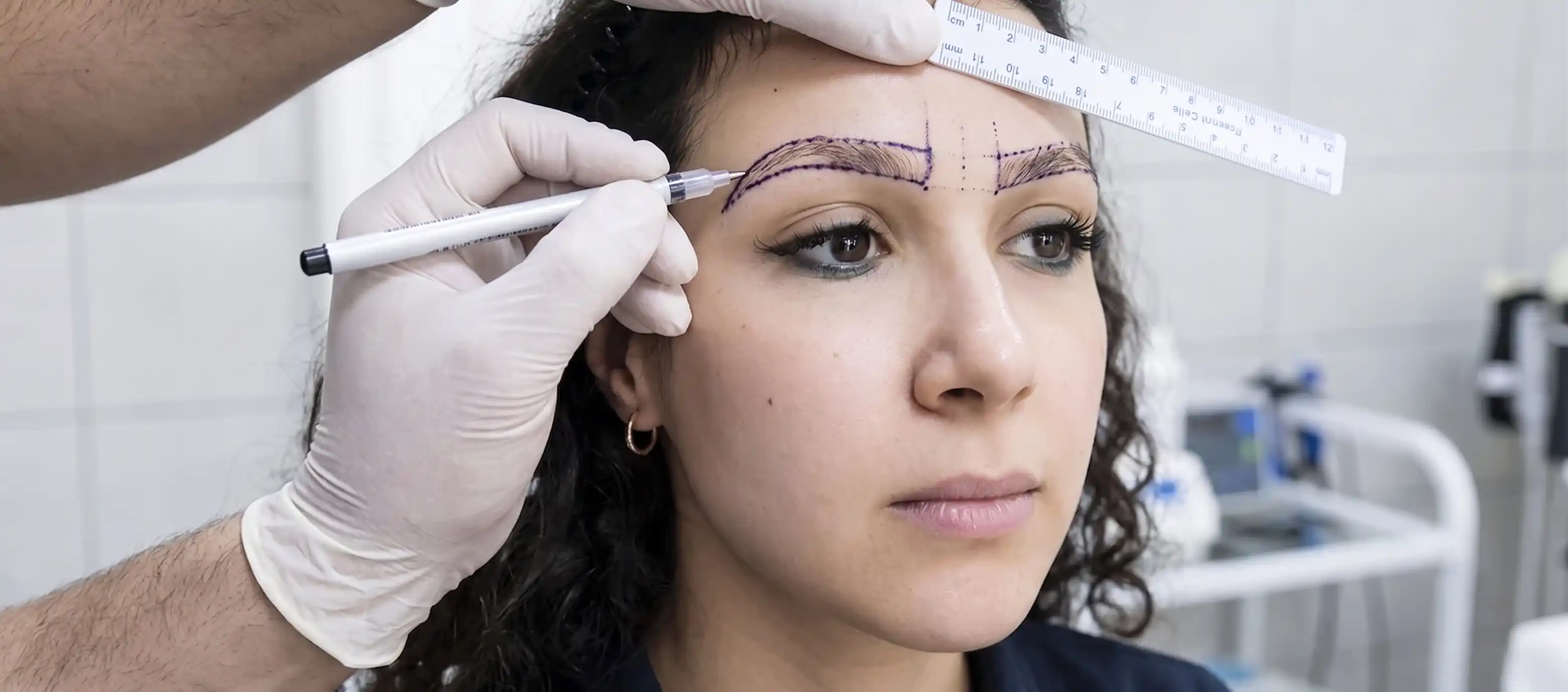
Eyebrow Transplant for Women
Eyebrows shape expressions and define the upper face. Loss from overplucking age or medical conditions can make the eyes look tired or less expressive.
An eyebrow transplant offers:
precise single hair placement
natural arch design tailored to your face
restored definition with soft density
long lasting results that replace daily filling
Eyebrow work pairs well with temple or part line enhancements.
Hairline Lowering and Feminine Hairline Design
Some women feel their forehead looks larger than they prefer. Others just want more feminine curvature. Transplant-based lowering is an effective option when the native hairline sits higher than ideal.
Hair Skill focuses on:
soft roundness rather than angles
delicate transitions at the temples
avoiding masculine straight lines
maintaining natural growth direction
For women considering surgical hairline lowering, a transplant can sometimes be a gentler alternative. Thinning around the temples affects how the face is framed. A small number of carefully angled grafts can dramatically improve symmetry and softness.
Combined Procedures for Natural Harmony
Many women ask about pairs of treatments such as a female hair transplant plus eyebrow transplant, part line density plus temple strengthening, or hairline refinement plus PRP. These combos work well because they holistically enhance facial framing.
Our attending doctors explain. Women value subtlety. Every graft must respect femininity. When eyebrows, temples, and the hairline speak the same design language, the result feels effortless.
Female Hair Transplant Before and After Expectations
Understanding what results look like at every stage helps women feel calm, prepared, and confident about their female hair transplant in Pakistan journey. If you search for female hair transplant near me, you will find that at Hair Skill the goal is not dramatic change. It is natural harmony. The best outcomes blend with your features so well that no one can pinpoint what changed. They just notice you look refreshed.
What realistic results look like
Female hair transplant before and after photos often show:
a noticeably fuller part line
stronger temple framing
softer curvature at the front
improved density that makes styling easier
reduced visibility of the scalp under bright lights
Women rarely want overly dense masculine lines. Instead they prefer refined improvements that preserve feminine shape.
Timeline of visible changes
A female transplant follows a predictable rhythm:
Week 1 initial redness fades donor area settles
Week 3 to 6 transplanted hairs shed a normal phase
Month 3 to 4 first new hairs appear
Month 6 to 9 major thickening phase
Month 12 to 14 final shape softness and flow emerge
This gradual timeline is why female hair transplant before and after photos at 6 and 12 months matter more than immediately after surgery.
Styling freedom after surgery & Final outcome factors
Once new hair grows, women enjoy easier daily styling, less reliance on powders or volumizers, comfort in wind, bright light, or cameras, and more hairstyles without worrying about exposing thinning spots. Excellent female hair transplant results depend on donor density, pattern stability, chosen technique, and commitment to aftercare. Medical support for hormones, ferritin, and general scalp health also reinforces long term success.
Our supervising doctors share. When expectations are realistic and the donor is strong, the transformation feels soft but meaningful. Women often rediscover a part of themselves they missed.
Planning Your Female Hair Transplant Staging in Lahore Pakistan
Preparing for your female hair restoration staging in Lahore should feel completely simple and unhurried. Most women prefer a short, highly organized clinical sequence that fits comfortably into their everyday routines. Our clinical coordination team manages your scheduling touchpoints smoothly, whether you travel for a female hair transplant in Lahore, a female hair transplant in Karachi, or from our upcoming setups providing a female hair transplant in Islamabad, Rawalpindi, and Multan.
Clinical Staging Sequence & Outings
Most patients allocate three to four days for their complete clinical staging sequence: Day 1 personal clinical consultation, trichoscopy audit, diagnostic blood tests, and line mapping. Day 2 the gentle extraction and implantation session. Day 3 official first clinical wash review and aftercare dressing instruction. Day 4 optional final check before returning to your regular schedule.
Keep clothes simple and comfortable. Bring loose button front shirts that do not pull over the head, a soft neck pillow for sleeping elevated, and gentle localized shampoo. Strictly avoid high restrictive collars, tight headbands, or heavy hats that press against the recipient area.
If you feel up to gentle walking once localized swelling settles, Lahore's calm, patient friendly districts offer lovely quiet park spaces and peaceful cafes. Simply avoid direct harsh sunlight, physical exertion, heavy crowds, and anything that risks friction against your newly placed grafts.
Our attending physicians advise. Recovery is smoother when you treat these early days like a gentle pause. Rest, hydrate, and enjoy your time at an unhurried pace.
Female Hair Transplant Pakistan FAQs
Start Your Female Hair Restoration Journey With Confidence
A female hair restoration experience at Hair Skill Clinic is designed around you. Your pattern. Your lifestyle. Your confidence. Women deserve an approach that feels respectful, discreet, and grounded in real medical understanding. That is exactly why international patients choose Hair Skill each year.
Why Women Trust Hair Skill Clinic
Surgeon led planning from first step to final result
Unshaven and partial shave methods to protect your hairstyle
Natural looking density along the part line and temples
A feminine hairline design crafted with precision
Honest evaluation that never pushes unnecessary surgery
Clear package tiers in PKR explained upfront
A calm supportive cleanroom environment where your comfort matters
Our surgeons are known for gentle, thoughtful design. Every graft is placed to enhance softness and balance rather than create artificial lines. It is artistry backed by medical insight.
Treatment Packages Designed for International Patients
Your clinical staging stays simple and organized from the moment you arrive in Lahore. Packages typically include surgeon consultation and custom plan, FUE or DHI technique, partial shave donor method for discretion, aftercare kit and first clinical wash, and translation support during your clinical visits. No surprises. No confusion. Just a clear path forward.
Your Next Step Starts Here
If thinning hair has been weighing on you, you deserve clarity and a plan that fits your real needs. A female hair transplant in Pakistan could be the gentle, natural solution you have been looking for.
Request Your Free Female Hair Transplant Assessment Today. Share your photos. Tell us your goals. Let Hair Skill Clinic design a treatment plan that feels personal, honest, and genuinely life improving.