
Widows Peak Hair Transplant Create or Remove a V-Shaped Hairline
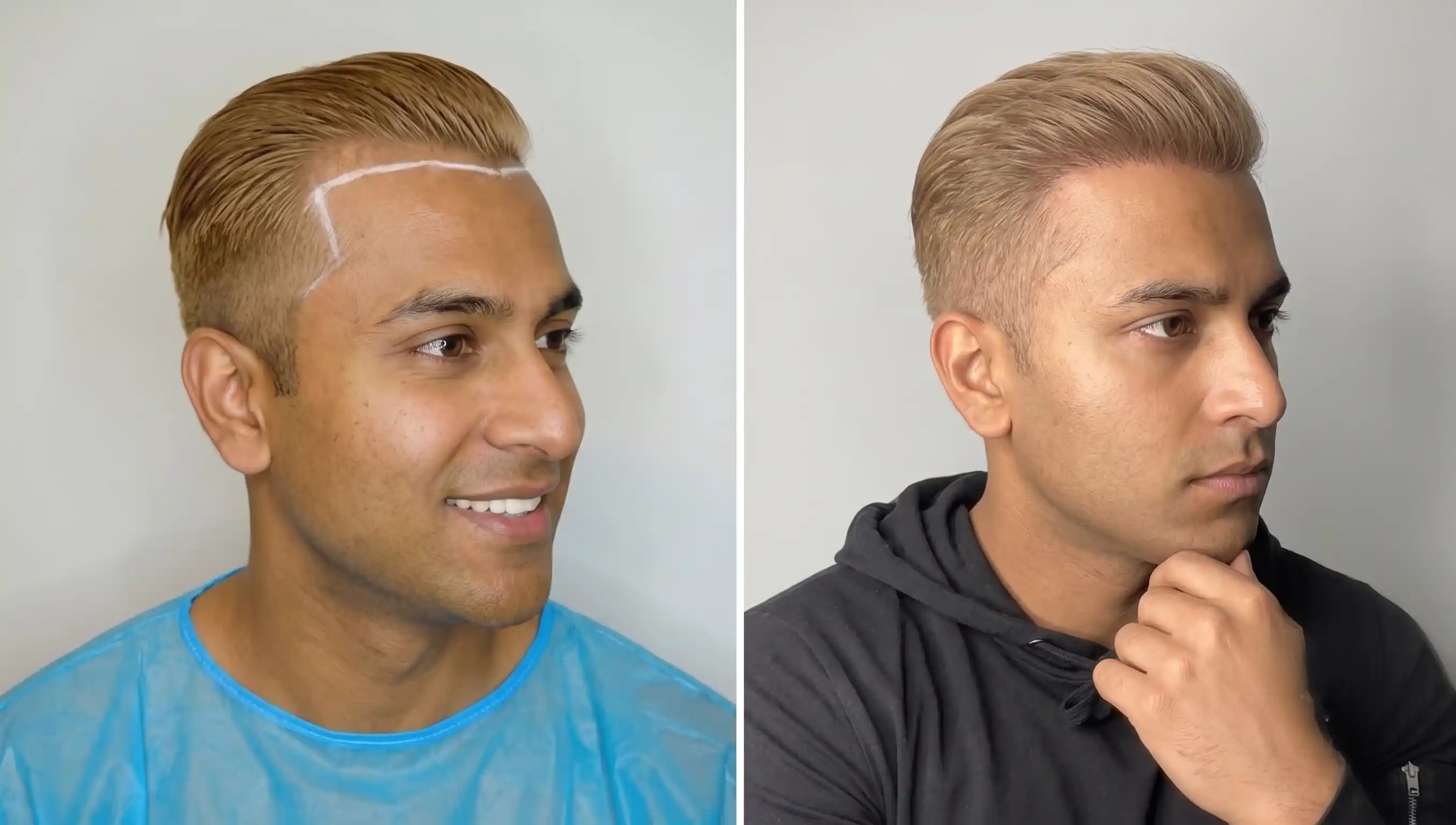
A widows peak hair transplant is one of the most precise hairline design procedures. Some people want to create a sharp V-shaped hairline. Others want to soften or remove it. Both are possible with modern techniques. When people search widows peak transplant or can you get a widows peak with hair transplant they are usually trying to answer one question: Can my hairline be redesigned in a natural way?
The answer is yes. A hair transplant can:
create a defined widows peak
soften an existing peak
round the hairline
fill temple recessions
The key is design. A widows peak is not just a line. It is a shape that must match your face age and natural hair direction.
Patients often worry about two things: Will it look natural and will it still look good years later? These concerns are valid. A poorly designed V-shaped hairline can look artificial. A well-designed one blends seamlessly and ages naturally.
Our lead surgeons explain that hairline design is the most artistic part of a transplant. The angle density and irregularity determine whether it looks like your own hair.
This guide explains everything you need to know about widows peak hair transplant before after including:
how to create or remove a widows peak
how many grafts you may need
which techniques are used
cost and recovery expectations
how to keep the result natural over time
Widows Peak Hair Transplant at a glance
A widows peak hair transplant can create soften or reshape a V-shaped hairline. Around 800 to 2500 grafts are typically used. Natural results depend on hairline design angle and density planning using FUE or DHI techniques.
What is a widows peak hairline?

A widows peak hair transplant starts with understanding the shape itself. A widows peak is a V-shaped point in the center of the hairline. Some people are born with it. Others develop a similar look as the temples recede.
Natural genetics and hairline shape
A widows peak is usually genetic. It is part of your natural hairline pattern. Common characteristics include:
A central point that dips slightly forward
Gentle recession at both temples
A soft V shape rather than a sharp line
This is why many searches like create widows peak hairline or V shaped hairline transplant focus on recreating a natural pattern rather than an artificial shape. Our medical team explains that a natural widows peak is rarely a perfect triangle. It is a soft irregular shape that blends into the rest of the hairline.
Aesthetic perception of widows peak
People view widows peaks differently. Some see it as:
A masculine and defined hairline
A classic strong facial frame
Others prefer a softer rounded front. That is why patients search both:
hairline transplant widows peak to create one
remove widows peak hair transplant to soften it
There is no single correct hairline. The right design is the one that fits your face age and personal preference.
When a widows peak becomes a concern
Sometimes a natural widows peak becomes more pronounced due to temple recession or thinning around the frontal zone. This can make the V-shape look sharper or uneven. In those cases patients may consider reshaping the hairline through transplant design.
The key idea: A widows peak is not just a point. It is part of a wider hairline pattern that must be designed as a whole. Next we explain can you create a widows peak with a hair transplant and how surgeons design a natural-looking V-shaped hairline.
Can you create a widows peak with a hair transplant?
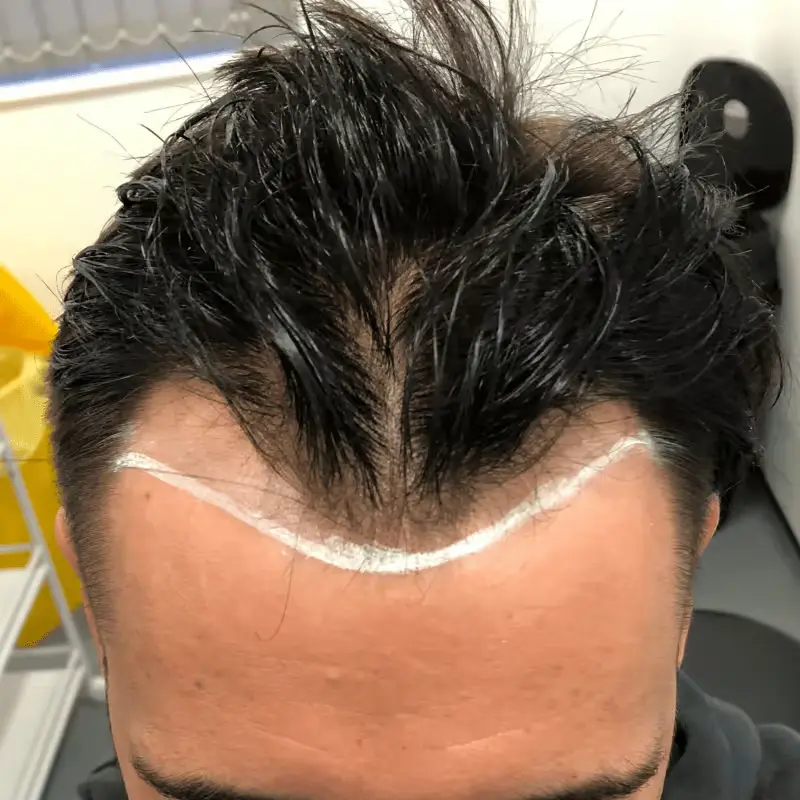
Yes. A widows peak hair transplant can create a natural V-shaped hairline when it is designed carefully and placed with precision. The goal is not a sharp triangle. The goal is a soft natural point that fits your face.
Design principles for a natural V-shaped hairline
Creating a widows peak starts with planning not grafts. A natural design considers:
Forehead height and facial proportions
Temple position and existing recession
Hair direction and curl pattern
The central point is placed first. Then the hairline flows back into the temples with a gentle curve. Our surgical specialists note that a believable create widows peak hairline plan uses micro-irregularity. The front line is never perfectly straight or perfectly symmetric.
Density and angle for realism
A natural widows peak depends on how each graft is placed. Key technical details:
Single-hair grafts used at the very front
Gradual density increase behind the hairline
Flat angles in the front so hair lays forward naturally
These elements avoid a pluggy or artificial look often seen in older procedures.
Who is a good candidate for creating a widows peak?
Good donor density at the back of the scalp
Stable hair loss pattern
A desire for a defined but natural hairline
People with very low donor density or advanced hair loss may need a more conservative design.
What result to expect
A well-designed hairline transplant widows peak creates a natural-looking central point better facial framing and balanced density that looks realistic in daylight. Our surgeons explain that subtle design often looks stronger than an aggressive low hairline.
The key takeaway: Yes you can create a widows peak. The success depends on design angle and density not just graft numbers.
Can you remove or soften a widows peak?
Not everyone wants a sharp V shape. Many patients search remove widows peak hair transplant or fix widows peak hairline because they prefer a softer more rounded front. This is possible with careful design and placement.
Rounding the hairline
Softening a widows peak means reducing the central point and blending it into a smoother curve. The design approach usually involves:
Lowering or filling the central V area slightly
Adding density along both sides of the peak
Creating a gentle rounded transition into the temples
The goal is not to erase the natural pattern completely. It is to balance it so it looks even and natural from all angles. Our clinical specialists explain that rounding a hairline must follow facial proportions. A hairline that is too straight can look artificial as you age.
Filling temple recessions & Softening choices
A strong widows peak is often combined with temple recession. This makes the V shape appear deeper. To soften the overall look surgeons often fill the temple corners with additional grafts blend the frontal line into the temples and adjust density so the transition looks gradual. This approach creates a more balanced frame for the face.
You may consider softening your widows peak if the central point looks too sharp your temples have receded significantly or you want a more youthful rounded hairline. Our medical staff notes that many patients prefer a softened design because it adapts better to future aging.
Expected outcome: A well-planned reduce widows peak procedure creates a smoother hairline shape improved symmetry and natural density that blends with existing hair. The key takeaway: A widows peak can be created reduced or reshaped. The best option depends on your face donor capacity and long-term hair pattern.
How the procedure works: FUE vs DHI
A widows peak hair transplant is a design-driven procedure. The technique supports the plan. The two main options used for hairline work are FUE hairline transplant widows peak and DHI hairline transplant widows peak.
Graft extraction with FUE
In FUE hair transplant individual follicles are taken from the donor area at the back of the scalp. Key steps:
Local anesthesia is applied for comfort
Individual grafts are extracted one by one
The donor area is protected to keep it natural-looking
FUE allows careful selection of fine grafts for the hairline. This is important for a natural widows peak. Our surgical team explains that donor management is part of long-term planning not just one session.
Channel creation and implantation
After extraction channels are created in the recipient area. These channels determine the angle direction and density of the hairline. In Sapphire FUE fine sapphire blades are used to create precise channels for a soft refined front line.
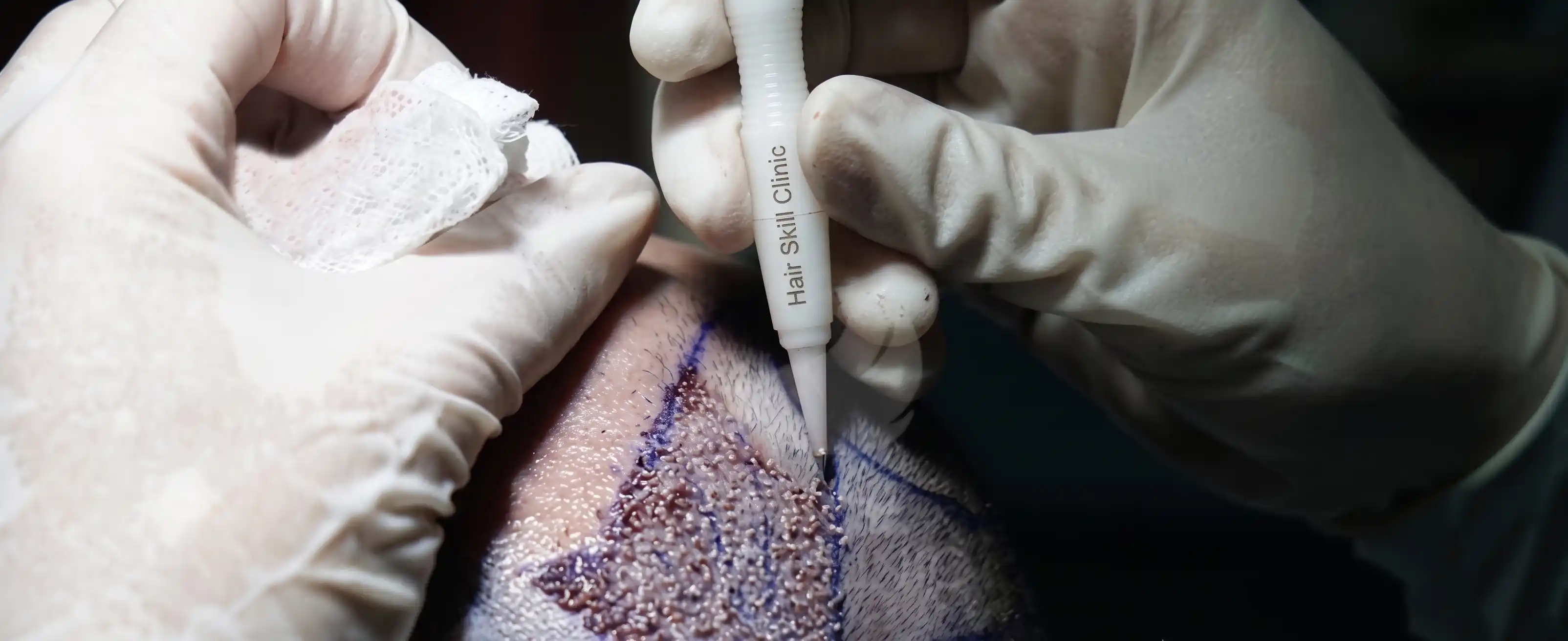
In DHI hair transplant grafts are implanted directly using an implanter pen. This allows:
Controlled depth of placement
Precise angle and direction
Focused density in small areas like the central peak
Our clinicians note that DHI is often preferred for detailed hairline shaping where control is essential. Both methods can produce excellent results. The choice depends on the complexity of your hairline design the number of grafts required and the surgical teams planning and experience. Technique supports the outcome. Design determines the outcome.
What happens on the day of surgery: The procedure typically takes several hours. It is done under local anesthesia. Most patients are comfortable and awake. You leave the clinic the same day with clear aftercare instructions.
How many grafts are needed for a widows peak?
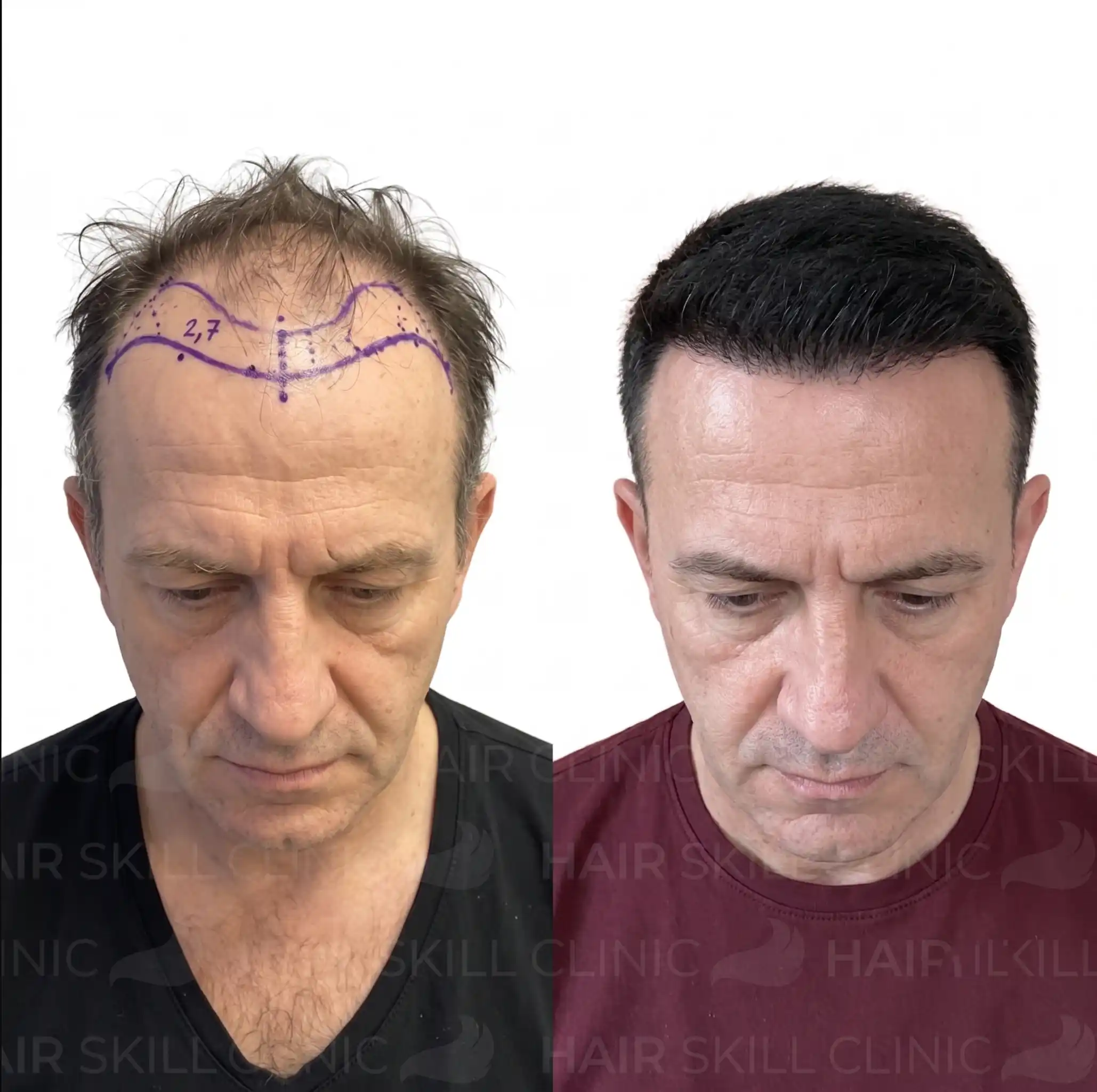
The number of grafts for a widows peak hair transplant depends on how much you want to change. Some patients only refine the central point. Others redesign the entire frontal line.
Mild correction or refinement (800 to 1,200 grafts)
If your goal is to slightly define or soften the V shape the graft requirement is usually modest. This level is often used to sharpen a subtle widows peak soften a slightly uneven point or adjust symmetry at the front. Our lead doctors explain that small changes in the frontal line can make a noticeable difference without needing large graft numbers.
Moderate redesign of frontal hairline (1,200 to 2,000 grafts)
If you want to reshape both the peak and the temple areas more grafts are needed. This allows creation or reduction of the central peak filling of temple recessions and improved density across the frontal band. This is one of the most common ranges for hairline transplant widows peak procedures.
Full hairline transformation (2,000 to 2,500+ grafts)
In cases where there is significant recession or thinning a larger number of grafts may be required. This includes full frontal hairline reconstruction temple and corner filling and stronger density throughout the front.
What affects graft numbers
Your personal graft count depends on donor density and hair thickness hair color and contrast with your scalp and the shape and height of your new hairline. Curly or thick hair often requires fewer grafts for visual density.
Our experts note that using the right number of grafts not the maximum number helps preserve donor hair for the future. The key takeaway: Most widows peak transplant cases use between 800 and 2500 grafts depending on the level of change.
Widows peak hair transplant cost ranges
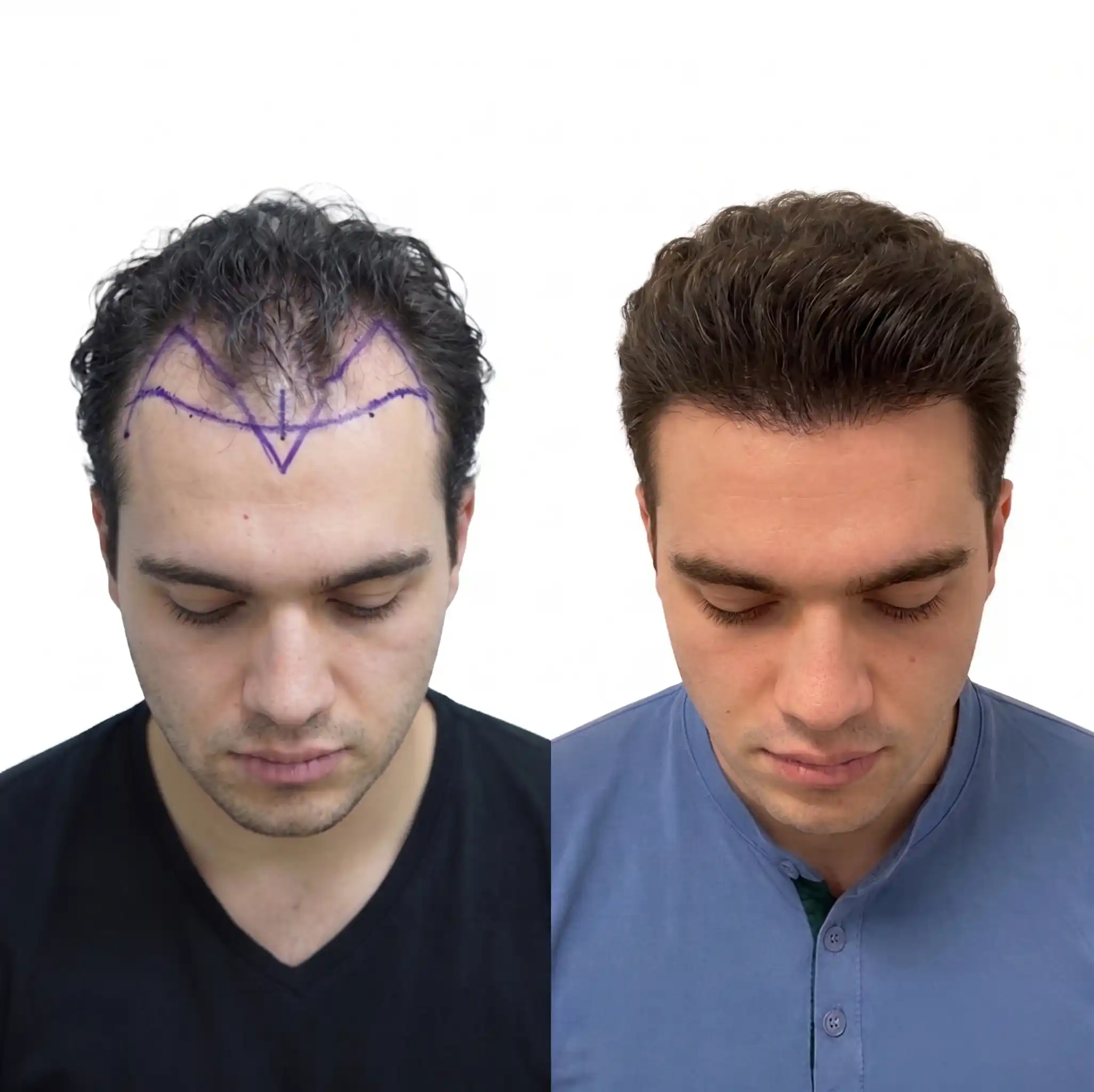
The cost of a widows peak hair transplant depends on graft numbers technique and location. Since this is usually a hairline-focused procedure most cases fall into the 800 to 2500 graft range. Rather than listing rigid numeric prices that fluctuate with global currencies pricing behaves across three distinct international healthcare tiers:
Average cost structures in Pakistan
Pakistan is the most popular destination for widows peak transplant packages because of all-inclusive pricing models. Rather than charging aggressive per-graft rates clinical hubs in Lahore operate on fixed comprehensive packages. These package ranges comfortably cover your complete surgical procedure luxury hotel stays VIP transfers and post-operative care in one highly accessible financial bracket making it significantly more cost-effective than Western alternatives.
Average cost structures in Europe and UK
European clinics usually charge strictly per graft. Because rebuilding a dense widows peak requires meticulously implanting thousands of tightly packed single-hair units per-graft calculations escalate rapidly placing European hairline design procedures into significantly higher expense tiers.
Average cost structures in the United States
The US uses a strict premium per-graft model governed almost entirely by the operating surgeons individual celebrity reputation and total extracted volume representing the most capital-intensive investment tier in global restorative medicine.
Why widows peak procedures vary in price: The final cost depends on how many grafts you need the level of hairline design detail technique used FUE Sapphire FUE or DHI and surgeon experience. Smaller corrections naturally cost less than full hairline reconstruction. The key takeaway: Global pricing behaves as a tiered scale moving from highly accessible South Asian packages up to premium Western fee structures.
Widows peak before and after results & timeline
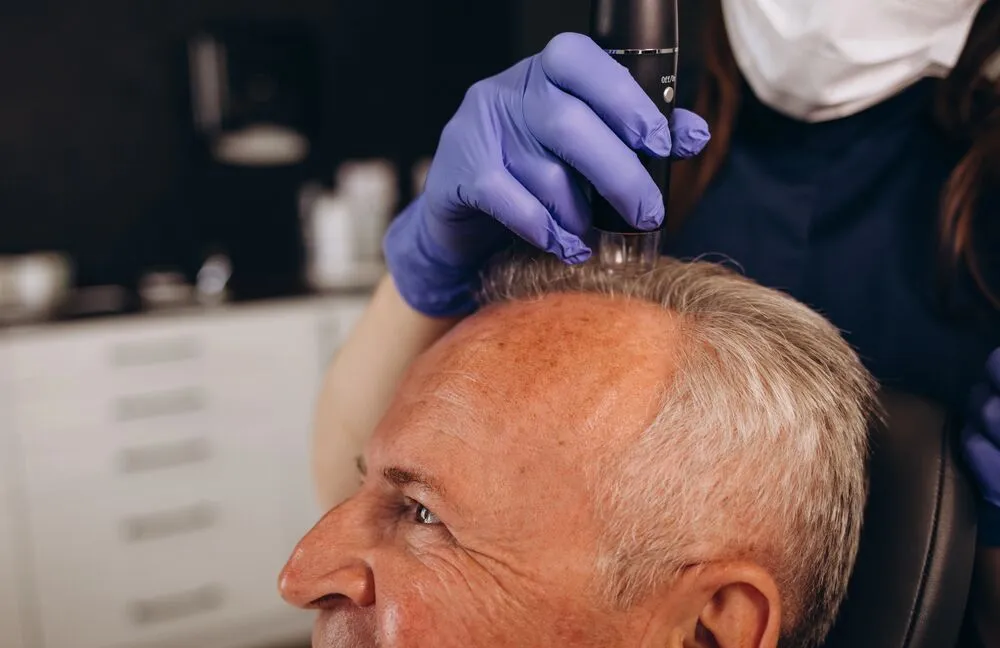
When patients search widows peak hair transplant before after they want to know two things: How it will look and when they will see it. A widows peak design evolves in stages. The final result takes time to appear.
Tissue Recovery
In the first weeks the focus is healing. You may see small scabs that fall off within 10 to 12 days mild redness in the recipient area and short stubble where grafts were placed. By the end of month one the scalp looks clean.
Shedding Phase
During this phase most transplanted hairs shed. This can feel confusing. You may notice the hairline looking similar to before patchy density and first new hairs starting around month 3 to 4. This is a normal growth cycle.
Visible Density
This is when the transformation becomes clear. You begin to see stronger definition of the widows peak shape increased density across the frontal area and better framing of the face.
Final Maturation
The hairline reaches its refined natural look. Hair thickens and matures direction and flow settle naturally and the V shape blends with existing hair. Results appear gradually patience is part of the process.
Who is a good candidate for a widows peak transplant?
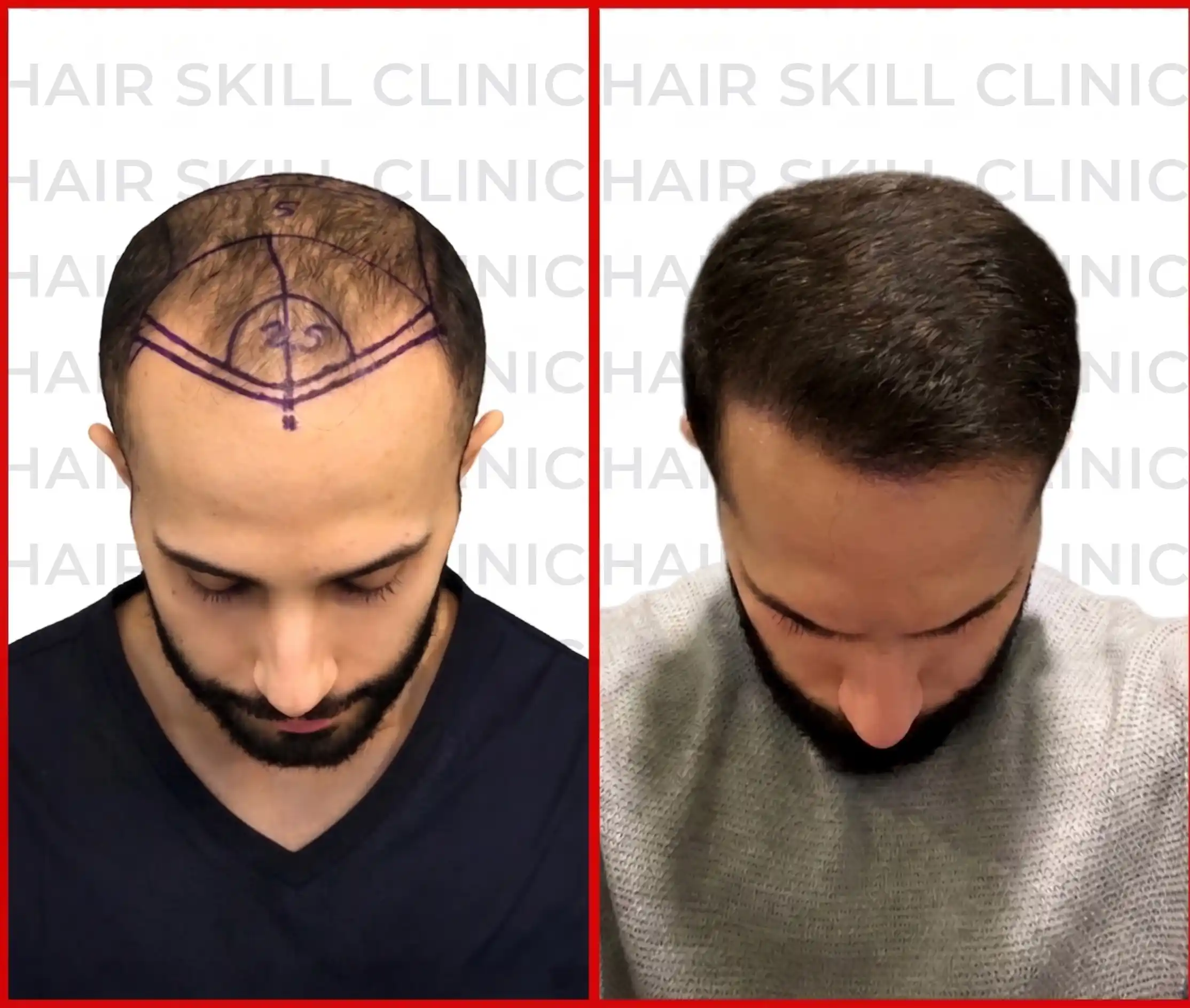
A widows peak hair transplant is a design-focused procedure. Not every hairline suits every person. The best candidates are those with the right donor capacity stable hair loss pattern and realistic design goals.
Donor density and hair characteristics
Your donor area determines what can be achieved. Good candidates usually have adequate donor density at the back of the scalp healthy thick hair shafts that provide good coverage and hair color and texture that blend well with the scalp. Curly or darker hair often gives the appearance of higher density with fewer grafts. Protecting donor reserves is vital for long-term planning especially in younger patients.
Face shape and proportions
Hairline design must match your facial structure. A widows peak works well for many men because it frames the forehead naturally creates a balanced masculine contour and maintains proportion with the temples. However some face shapes look better with a softer or more rounded hairline. This is why personalization is essential.
Stability of hair loss & Goals
Timing matters. You are a better candidate if your hair loss pattern is relatively stable you are not in an aggressive shedding phase and there is enough existing hair to blend with the transplant. Younger patients may need a more conservative design to ensure the hairline looks natural as they age. Sensible planning prevents unnatural gaps later if shedding continues. Clear realistic expectations are key. It should never look copied from another person.
Risks and limitations of a widows peak transplant
A widows peak can look very natural when planned correctly. Yet like any procedure it has limits. Understanding these limits helps you make better decisions and avoid disappointing results. The most common risk is poor design. A widows peak that is too sharp too low or too straight at the sides can look artificial in real life. This is why creation plans should always include slight irregularity and soft transitions. The hairline should never look drawn on; it must mimic natural randomness.
Overuse of donor grafts is another risk. The donor area is limited. Using too many grafts in one session can create problems later including donor thinning or uneven density. If donor hair is very fine achieving high density at the front can be difficult requiring a conservative design. Minor short-term side effects include temporary redness swelling and itching. Most risks are related to planning not the procedure itself.
How to get a natural widows peak hairline
A widows peak hair transplant looks natural when the design follows how hair actually grows. The shape is important. The small details matter even more.
Micro-irregularity at the front line
Real hairlines are not perfectly straight or symmetrical. A natural V shaped hairline transplant uses tiny irregular variations along the edge including soft uneven micro points slight asymmetry between left and right sides and gradual transition from single hairs to thicker grafts. This breaks the drawn line effect and makes the result blend into existing hair. The best hairlines look unplanned even though they are carefully designed.
Correct angle and direction of hair growth
Angle determines how the hair lays and moves. A natural transplant requires very flat angles at the front forward direction in the central point and gradual shift toward the temples. If angles are too upright the hairline looks stiff under light. Direction control makes transplanted hair behave like native hair.
Age-appropriate design & Layering
A natural peak should match your age now and in the future. A well-designed line sits slightly higher than a teenage hairline keeping a soft mature contour that allows for future progression. Designing too low may look good initially but unnatural later. Density should increase gradually from front to back staging single-hair grafts in row one and two-hair grafts behind creating depth and natural shadow.
Widows peak hair transplant FAQs
Shape your ideal hairline with Hair Skill Clinic
A widows peak hair transplant is about design as much as technique. The right shape can frame your face and look natural for years. The wrong one stands out in every mirror.
At Hair Skill Clinic your hairline is planned with care experience and a calm patient-focused approach built on our core institutional philosophy. Your result depends on small details done right: a hairline that fits your face and age soft irregular front line instead of a rigid shape correct angle and direction so hair lays naturally and balanced density that blends with existing hair. Our medical leadership and clinical specialists manage the planning and design process so your hairline transplant looks refined not artificial supporting precise placement and careful follow-up.
A clear supportive process from start to finish: You are guided through each step: detailed consultation and hairline simulation graft planning that protects your donor area precise placement with FUE Sapphire FUE or DHI and follow-up support as your result grows over time. The aim is simple: A hairline that looks like it has always belonged to you.
Take the next step: If you are thinking about creating softening or reshaping your hairline: share your photos for an initial evaluation receive a personalized design plan understand your graft needs and move forward with confidence. A well-designed hairline changes how you see yourself every day. If you want your widows peak hair transplant planned and performed by an experienced doctor-led team you can request your consultation with Hair Skill Clinic today.