Minoxidil and Finasteride in Pakistan: What Works, Side Effects, and When Medication Is Not Enough
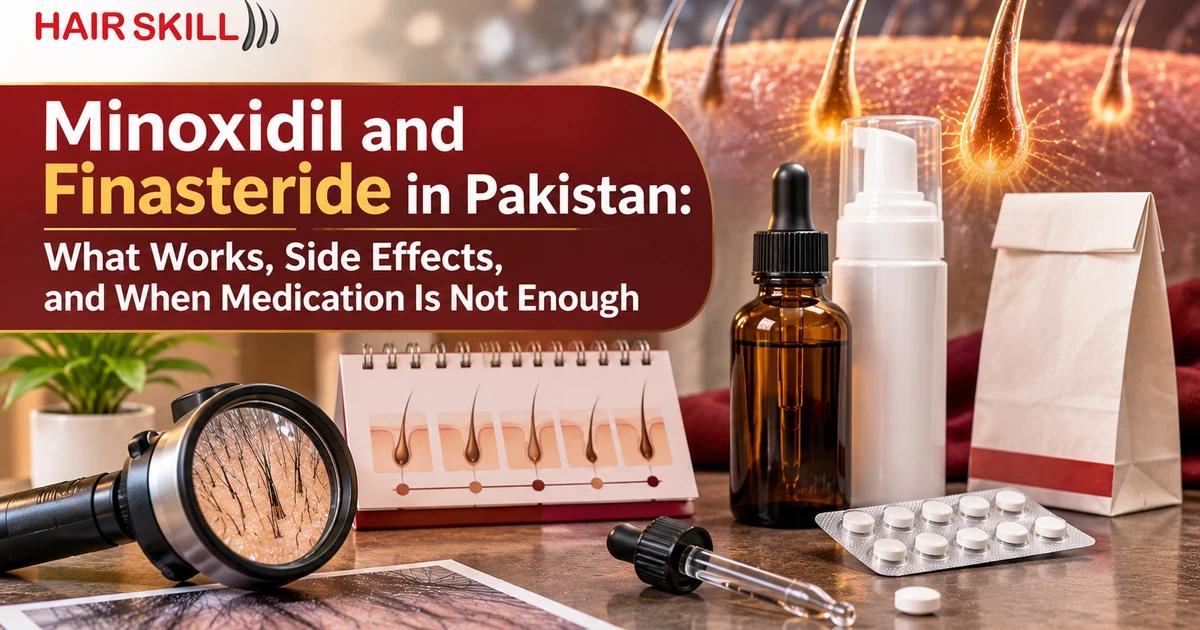
Minoxidil and Finasteride in Pakistan: What Works, Side Effects, and When Medication Is Not Enough
In Pakistan, thousands of people purchase hair loss medicine in Pakistan from local pharmacies or social media pages without ever having their scalp examined. Patients inquiring about minoxidil and finasteride in Pakistan typically seek clear answers before beginning any treatment ensuring their money is not wasted and receiving proper guidance on the daily, long-term use of these medications. While both drugs can help reduce hair loss and restore thickness to thinning hair, they cannot regrow hair in areas where the hair follicles have completely vanished and the scalp has become entirely smooth. These treatments are most effective when hair loss is in its early stages and the regimen begins following an accurate medical diagnosis. Purchasing medication based on guesswork rather than professional advice can lead to wasted money, delays in receiving the correct treatment, and unnecessary anxiety regarding potential side effects that may not be fully understood.
Who These Medications Are For and Who They Are Not For
Before starting any medication for hair loss, a doctor should confirm that your hair loss is due to male pattern baldness (or a specific pattern of hair thinning in women). In medical terms, this hereditary condition is known as androgenetic alopecia. Both of these medications are designed for patients whose hair follicles are shrinking due to genetic sensitivity but are still capable of producing fine or short hairs.
Men in their twenties and thirties who notice hair thinning at the crown or a receding hairline often see better results in preserving their hair, as the follicles beneath the skin remain viable. Similarly, women who observe a gradual widening of the part line along the center of their scalp may also benefit from topical treatments used under medical supervision.
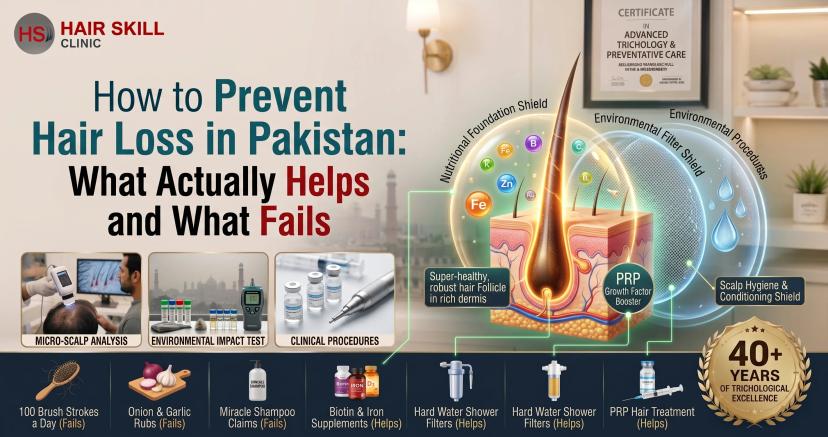
These medications are not a solution for every type of hair loss. Hair loss caused by iron deficiency, low Vitamin D levels, thyroid issues, sudden weight loss, high fever, severe mental stress, or scalp infections requires entirely different treatment. If you have low ferritin levels, applying solutions intended for hereditary baldness is akin to ignoring the root cause. A brief medical examination of the scalp using a magnification tool can save you from months of unnecessary effort and wasted time.
How Minoxidil Works
Minoxidil was first introduced decades ago as an oral medication for lowering blood pressure; however, doctors later observed that its use also led to thicker hair in patients. Today, most people apply it directly to the scalp on a daily basis, in the form of a topical solution or foam. It dilates the tiny blood vessels surrounding active hair follicles, improves the local supply of nutrients, and helps hair that is in a resting phase re-enter the active growth phase. This results in thicker hair that remains firmly anchored to its roots for a longer period.
Realistic timeline: initial shedding and when to judge results
Patients often ask how long does minoxidil take to work to show results especially when they notice more hair than usual while combing around the third week. This temporary increase in hair loss is known as initial shedding and it is the reason why many people discontinue the treatment before any improvement can begin. In reality, Minoxidil helps push old, weak hair follicles out of their resting phase, making way for new, stronger hair to grow.
This phase of hair loss typically subsides within two to six weeks. Patience and consistency are essential for achieving visible improvement. Those who use the medication regularly often notice a decrease in hair loss for instance, while washing their hair around the third month. Meanwhile, measurable minoxidil 5% results such as increased hair thickness and better coverage usually become apparent between the fourth and sixth month. Achieving more substantial and noticeable improvement may take nine to twelve months. It is far too early to judge the effectiveness of the solution after only four weeks of use; discontinuing the treatment during this initial shedding phase not only leads to disappointment but also prevents the medication from having a fair chance to show results.
Common side effects and misuse.
Since minoxidil primarily remains on the surface of the skin, systemic effects affecting the entire body are rare. Most complaints arise from skin sensitivity or improper application of the medication. Standard liquid formulations contain propylene glycol, which can cause itching, redness, dryness, or the formation of dry, flaky patches on the scalp that may resemble stubborn dandruff. In Pakistani humid summer climate, excessive sweating shortly after application can cause the topical solution to run down onto the forehead or cheeks, increasing the risk of unwanted facial hair growth.
Improper use of the medication generally occurs in two ways. Some individuals apply a double dose in the hope of achieving denser hair growth; this only leads to scalp irritation and, occasionally, mild dizziness, without accelerating hair growth. Others apply the medication to wet hair or lie down immediately after application, causing the solution to transfer onto the pillowcase. The correct method is to apply a measured one-milliliter dose to a clean, dry scalp, wash your hands immediately afterward, and allow the medication to dry completely before going to sleep.
How Finasteride Works
While minoxidil stimulates hair follicles externally, finasteride targets the internal hormonal factors responsible for androgenetic alopecia. It is taken daily as a 1 mg oral tablet and works by inhibiting an enzyme called 5-alpha reductase. This enzyme typically converts testosterone into DHT, a hormone that binds to genetically susceptible hair follicles, causing them to shrink with each new growth cycle.
Reducing DHT levels in the scalp slows down the shrinkage of hair follicles, helping existing hair retain its natural thickness. Rather than forcing weakened follicles into rapid growth, finasteride primarily acts as a protective shield, helping to prevent susceptible hair follicles from shrinking further.
Side effects patients ask about: have Dr. Mansoor review the wording
Searching online forums for information regarding the finasteride side effects can reveal details that might alarm patients; consequently, patients often raise several significant and sensitive questions during consultations with their doctors. Major medical studies indicate that most healthy adult men tolerate the daily oral tablet well, without experiencing any major issues. Nevertheless, a small percentage of users report hormonal side effects, which may include a decrease in sexual desire, difficulty achieving or maintaining an erection, a reduction in semen volume, mild breast tenderness or pain, and subtle mood changes.
In most cases, should these symptoms occur, they tend to resolve after discontinuing the medication under medical supervision. However, a very small number of individuals report that these symptoms persist, a situation that necessitates careful medical monitoring. A responsible physician will consider your medical history, current medications, and your overall health and well-being before prescribing the prescription. Starting the medication based on advice from a friend at the gym or a post on social media effectively bypasses this essential medical oversight. Engaging in an open dialogue with your doctor will help you distinguish between online alarmism and actual medical data, and will also clarify the steps you should take if you notice any unusual symptoms while on the medication.
Who should avoid it: pregnancy and women use, with a safety note
Finasteride is a medication approved for adult men; however, its use by women is subject to strict safety restrictions and warnings. Pregnant women, those planning a pregnancy, or women who might become pregnant should completely avoid finasteride. Even touching a broken or crushed tablet poses a risk, as the active ingredient can be absorbed through the skin and potentially interfere with the normal development of a fetus, particularly a male fetus.
Keep blister packs sealed and store them in a secure location, out of the reach of pregnant women. While some experts discuss the possibility of using it under strict medical supervision and in specific circumstances for women who have reached menopause, hair treatment clinics in Pakistan generally do not prescribe finasteride to women of childbearing age. Men using this medication should also avoid cutting or splitting 5 mg tablets in the presence of a pregnant partner especially on shared household surfaces to prevent any residual powder or fine particles from remaining behind.
Minoxidil vs. Finasteride vs. Using Both
Comparing minoxidil vs. finasteride becomes much easier once you understand how each medication functions. They are not simply two interchangeable options for the same treatment; rather, they work in different ways. Minoxidil acts like a nutrient supply, stimulating sluggish hair follicles and helping to increase hair thickness, whereas Finasteride reduces the levels of DHT, a substance that causes hair follicles to gradually shrink.
| Comparison Point | Minoxidil | Finasteride | Combined Plan |
|---|---|---|---|
| Format | Daily topical solution or foam | Daily 1 mg oral tablet | Both used together |
| Core Job | Boosts blood flow and extends growth | Lowers DHT to protect roots | Growth boost plus root defense |
| Key Watchouts | Scalp dryness, flaking, initial shedding | Possible finasteride side effects | Needs medical follow-up |
| Common Fit | Early thinning in men and women | Stabilizing male crown and mid-scalp loss | Active thinning needing stronger hair density |
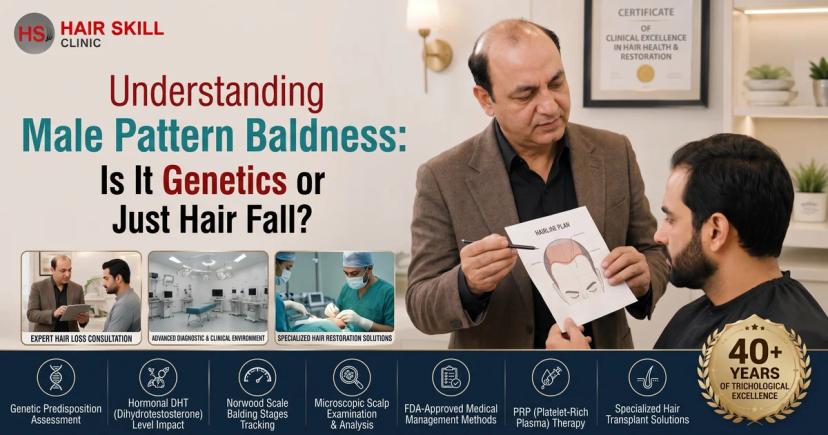
In Pakistan, many hair specialists prescribe both minoxidil and finasteride in Pakistan to men experiencing progressive hair thinning. This combination can yield more lasting results and better coverage compared to using either medication alone, as it helps preserve hair follicles and increase hair thickness. However, it is not mandatory to begin with both medications. Patients with only mild hair thinning, or those concerned about potential hormonal side effects, often start with just one medication; they then evaluate the results after six months by reviewing standardized photographs taken at the clinic.
What Happens When You Stop Treatment
Medications for hair loss do not function like a one-week course of antibiotics; rather, they act more like prescription eyeglasses that require continuous use. Think of them as long-term maintenance therapy. These medications provide support to vulnerable hair follicles only for as long as you continue to use them regularly.
After stopping treatment, you do not suddenly lose healthy hair that was never at risk of balding. Instead, the natural, genetically determined process of hair loss simply resumes from the point where it was temporarily halted. If you stop using Minoxidil, the additional hair density gained from minoxidil 5% results will gradually diminish over a period of three to four months. If you discontinue Finasteride, DHT levels return to near-normal within a few weeks, causing vulnerable hair follicles to begin shrinking again over the following three to six months. Approximately one year after stopping treatment, your hair density will typically return to the same level it would have been at had you never started these medications in the first place.
Buying Medicine in Pakistan: Prescription, Quality, and Counterfeit Concerns
When purchasing genuine minoxidil and finasteride in Pakistan, one must exercise great caution rather than simply placing an order based on the lowest price found on social media. The market for hair loss medicine in Pakistan contains both reliable, locally manufactured products registered with DRAP (Drug Regulatory Authority of Pakistan) and suspicious imported items sold via unverified online pages. Counterfeit foams and adulterated sprays are also circulating in the market. Such products may contain harmful alcohols, incorrect dosages, or, in some cases, no active medicinal ingredients at all leading buyers to believe the treatment is ineffective, even after using it for six months.
Adopt a few simple precautions every time you purchase medication. Buy from a reputable, licensed pharmacy or a hospital-based medical store in your city whether in Lahore, Karachi, Islamabad, or elsewhere rather than relying on obscure online sellers. Always check the packaging for a batch number, an expiry date, the integrity of the seal, and clear details regarding DRAP registration. Avoid purchasing loose pills without labels or products sold in unsealed boxes. Specifically for Finasteride, ensure you obtain a prescription from a doctor; this ensures that the brand, dosage, and follow-up schedule are medically appropriate and safe.
When Medication Is Not Enough: Signs It Is Time to Discuss a Transplant
Considering minoxidil vs. finasteride is only beneficial if the hair follicles beneath the scalp are still alive. When a receding hairline or baldness on the crown becomes completely smooth, shiny, and devoid of even fine, vellus hairs, the hair follicles in those areas have been permanently lost. Even the most potent hair loss medicine in Pakistan cannot regenerate hair follicles on such a smooth, bare scalp.
Clear signs that medication alone is no longer sufficient include deep bald patches at the temples, large bald areas on the crown where no new hair growth appears despite consistent use of minoxidil 5% results for twelve months, or such significant hair thinning that large portions of the scalp become visible under indoor lighting. Waiting indefinitely in the hope that a spray alone will restore a lost hairline may only lead to further disappointment. At this stage, consulting a qualified hair surgeon regarding surgical restoration complemented by supportive treatments such as PRP hair treatment can help you develop a realistic treatment plan. Surgery involves relocating hair follicles from a permanent donor area to the balding spots, while medical treatment helps preserve the existing natural hair.
Frequently Asked Questions
Does finasteride regrow hair or only stop loss?
Its main strength is slowing hair loss by blocking DHT before follicles shrink further. Many men also notice thicker shafts and modest crown fill-in as weak hairs regain strength, though pills rarely rebuild a bare frontal hairline.
Can women use minoxidil?
Yes, doctors regularly recommend minoxidil for women dealing with genetic thinning, commonly choosing 2% drops or 5% foam once daily. Women who are pregnant or breastfeeding should avoid it and check with a physician first.
Is minoxidil safe long-term?
Healthy adults without scalp allergies or major cardiovascular issues generally tolerate daily use safely for years. Anyone wondering how long minoxidil takes to work should plan on steady maintenance therapy to hold onto those gains.
Do I need a prescription in Pakistan?
Minoxidil liquids sell over the counter at most Pakistani pharmacies, whereas finasteride should always involve a valid doctor prescription. A clinical checkup screens for finasteride side effects, rules out nutritional shedding, and sets realistic expectations.
Should I use medication before or after a hair transplant?
Surgeons often recommend stabilizing native hair while preparing for a hair transplant and maintaining medical care after recovery. Transplanted grafts stay permanent, yet native hair around them remains vulnerable to androgenetic alopecia without support.
Book a Scalp Assessment in Lahore Before You Start
There is no need to waste six months buying medications based on guesswork or trying products that may not even be suitable for your scalp. Before spending money on minoxidil and finasteride in Pakistan, undergo a professional scalp examination in Lahore to confirm the specific type of hair loss you are experiencing. A comprehensive medical assessment determines whether your hair follicles can still benefit from medication, identifies potential risks such as those related to incorrect dosage or counterfeit products and provides an honest recommendation on the most appropriate path forward whether through medication, supportive treatments, or surgical hair restoration to improve long-term hair density.